MY RURAL MENTOR
The project aims to develop and transfer intergenerational social mentoring models that improve the wellbeing of vulnerable young people in rural areas of Spain, Portugal and Italy, strengthen community ties, promote inclusion and help counter youth depopulation in the EU.
Territory
Italy, Spain, Portugal
Implementation period
September 2025 – December 2027
Donor
Erasmus+, Spanish National Youth Agency (INJUVE)
Project objective
The project aims to develop and transfer intergenerational social mentoring models that improve the wellbeing of vulnerable young people in rural areas of Spain, Portugal and Italy, strengthen community ties, promote inclusion and help counter youth depopulation in the EU.
Target audience
The project targets:
Young people (14-24 years, gender balanced) living in rural or depopulated areas, in situations of fragility: minors in residential facilities, NEET at risk of social exclusion, young migrants without adult references.
Adults with social roots in the territory and proven mentoring skills.
Activities
The project is based on four concrete and integrated actions:
Selection and training of local mentors: community leaders are identified and trained to support young people through individual and group mentoring, developing skills in communication, empathy, emotional management and intercultural sensitivity.
Triple-level mentoring and youth engagement: individual, group and service-learning projects strengthen social ties, stimulate active participation and promote intercultural skills and active citizenship.
Community needs analysis and co-design: young people participate in workshops on sustainability, culture, sport and local heritage to identify territorial challenges and propose concrete solutions together with local decision-makers and stakeholders.
Creation of a toolkit: evaluation and systematisation of best practices, analysis of project impact data and development of a replicable rural mentoring model, accompanied by guidelines to transfer effective practices to other areas.
Impact
90 participants – Vulnerable young people and adult mentors (30 per country)
150 min. participants – Local communities and rural inhabitants (50 per country)
25 participants – Operators and stakeholders in the training toolkit
>150 participants – Multiplier Events
30 stakeholders – Policy makers and key stakeholders (recommendation reports and transnational webinar)
Partners
INSTITUTO GALEGO DE XESTIÓN PARA O 3º SECTOR (Lead – Spain); ROSTO SOLIDÁRIO – ASSOCIAÇÃO DE DESENVOLVIMENTO SOCIAL E HUMANO (Portugal); Fondazione Comunitária di Agrigento e Trapani (Italy); Outonía Sociedade Cooperativa Galega (Spain); Casa-Escola Agrícola Campo Verde (Portugal); Cooperativa Terraferma (Italy);
Programme
The project (2025-1-ES02-KA220-YOU-000361017) was selected and co-funded by the Erasmus+ programme by the Spanish National Youth Agency (INJUVE) – under Key Action 2 – Cooperation Partnerships in Youth.
Other projects that regenerate communities

DEDALO
Our goal is to counter educational poverty and early school leaving among children aged 5 to 10, offering empowerment opportunities through an innovative, creative and replicable educational process, in collaboration with the community and the territory with a view to urban regeneration.
Discover the project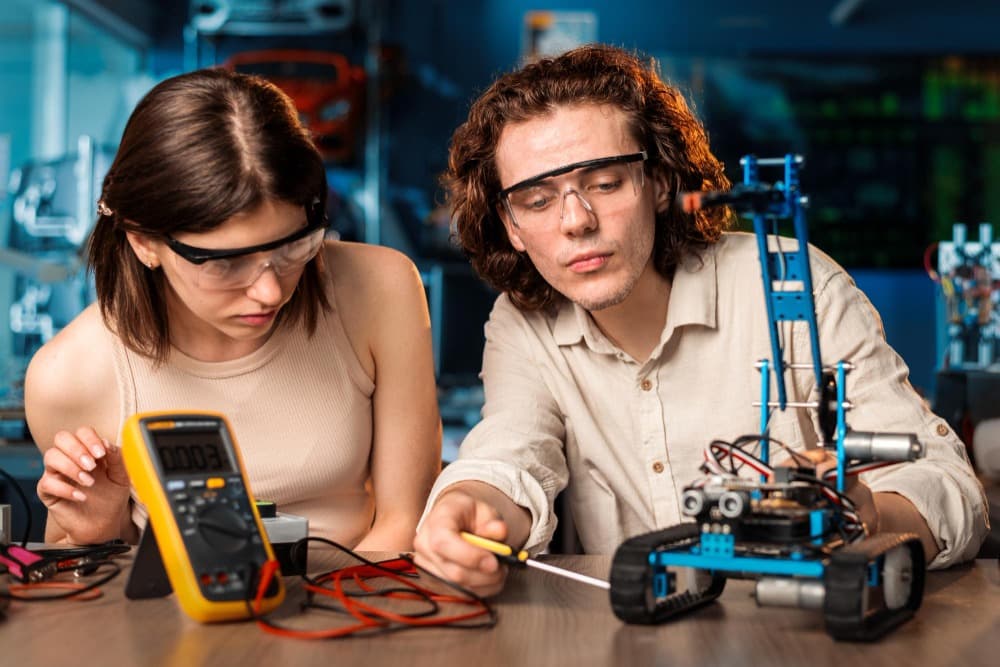
ALICE STEM
ALICE STEM aims to inspire and guide 500 high school students in the city and province of Palermo and in the province of Agrigento towards STEM careers, with particular attention to electronic engineering. The project seeks to overcome gender and territorial barriers through innovative methods, interconnected technology laboratories and an inclusive and competent educational network. Thanks to a strategic alliance between schools, universities and guidance and innovation centres, ALICE offers personalised counselling, transdisciplinary learning experiences and advanced tools to support young people in building their professional future.
Discover the project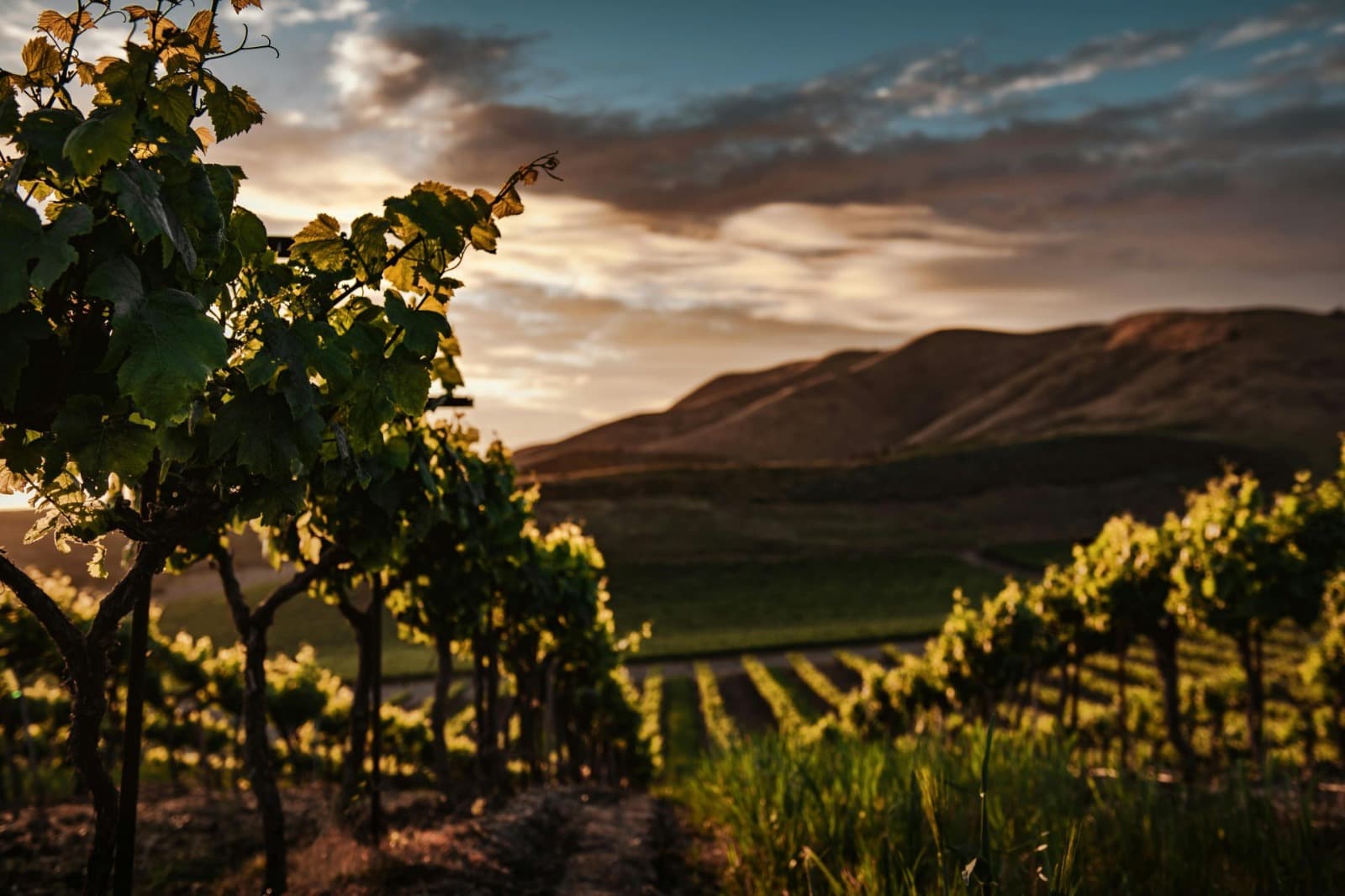
STIV
The project aims to promote a sustainable management of European agricultural resources, placing viticulture as a driving sector in the ecological transition. Through the use of artificial intelligence and innovative digital tools, the initiative intends to provide new skills to agricultural professionals and improve the training offer in vocational education and training (VET). With a collaborative approach between European institutions, agricultural producers and educators, the project seeks to strengthen the European network in viticulture, increase individual competitiveness and ensure an inclusive and sustainable transition towards new models of agroecological management.
Discover the project
ECOTOURS
Our aim is to promote sustainability, competitiveness and economic regeneration of rural and coastal areas in Europe through circular tourism.
Discover the projectDEDALO
Our goal is to counter educational poverty and early school leaving among children aged 5 to 10, offering empowerment opportunities through an innovative, creative and replicable educational process, in collaboration with the community and the territory with a view to urban regeneration.
Discover the projectALICE STEM
ALICE STEM aims to inspire and guide 500 high school students in the city and province of Palermo and in the province of Agrigento towards STEM careers, with particular attention to electronic engineering. The project seeks to overcome gender and territorial barriers through innovative methods, interconnected technology laboratories and an inclusive and competent educational network. Thanks to a strategic alliance between schools, universities and guidance and innovation centres, ALICE offers personalised counselling, transdisciplinary learning experiences and advanced tools to support young people in building their professional future.
Discover the projectSTIV
The project aims to promote a sustainable management of European agricultural resources, placing viticulture as a driving sector in the ecological transition. Through the use of artificial intelligence and innovative digital tools, the initiative intends to provide new skills to agricultural professionals and improve the training offer in vocational education and training (VET). With a collaborative approach between European institutions, agricultural producers and educators, the project seeks to strengthen the European network in viticulture, increase individual competitiveness and ensure an inclusive and sustainable transition towards new models of agroecological management.
Discover the projectECOTOURS
Our aim is to promote sustainability, competitiveness and economic regeneration of rural and coastal areas in Europe through circular tourism.
Discover the project